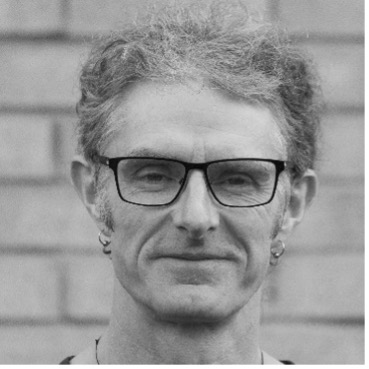
Prof. Stephen Brewster
University of Glasgow
Talk Title
Passengers of the Future – Using XR to Reinvent the Travel Experience
Abstract
I will present our work investigating how we can improve passenger journeys using immersive Virtual and Augmented Reality (together XR) to support entertainment, work and collaboration on the move. People travel long distances per year on private and public transport, in cars, buses, planes and trains. These journeys are often repetitive and wasted time. This total may rise with the arrival of fully autonomous cars, which free drivers to become passengers. The potential to recover this lost time is impeded by 3 significant challenges:
- Confined spaces – These limit interactivity, and force us to rely on small displays such as phones or seatback screens
- Social acceptability – We may share the space with others, inducing a pressure to conform, inhibiting technology use
- Motion sickness – Many people get sick when they read or play games in vehicles. Once experienced, it can take hours for symptoms to resolve
XR headsets could allow passengers to use their travel time in new, productive ways, but only if these fundamental challenges can be overcome. Passengers would be able to use large virtual displays for productivity; escape the physical confines of the vehicle and become immersed in virtual experiences; and communicate with distant others through new embodied forms of communication. I will discuss our solutions to these challenges, and how we can radically transform the passenger experience.